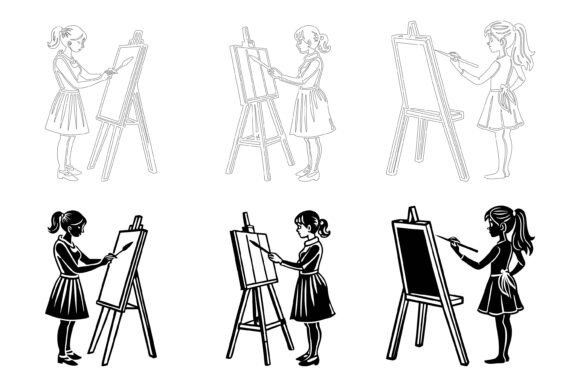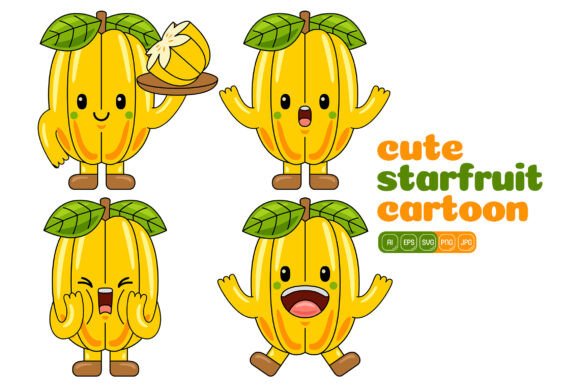
Set for Children Play: Rethinking How You Choose and Use Vector Illustration Collections
When you find a set for children play that includes AI, EPS, and JPG formats, it promises joyful designs for toys, playground scenes, or imaginative activities. But excitement often leads designers, bloggers, small business owners, and teachers to skip the deeper checks that separate a reusable asset from a frustrating download. What makes a vector collection truly work for you isn’t just the number of icons—it’s how the files are built, how easily you can edit them, and how reliably they perform across different projects.
Maybe you plan to print a birthday banner, update a school newsletter, or add charming graphics to a child‑care app. In each case, the files need to behave predictably. This article walks through the overlooked details, the common missteps that waste time and money, and how a well‑structured collection—like a thoughtfully organized AI EPS set—can change the way you work. No hype, just practical guidance gathered from real experience helping people get the most out of their creative tools.
Common Mistakes When Selecting a Children’s Play Illustration Set
It’s easy to judge a set by its preview image. Bright colors, cute characters, and playful scenes make it tempting to click download or purchase immediately. But behind that attractive thumbnail, several things can go wrong if you don’t know what to look for.
Assuming All EPS Files Are Fully Editable in Every Program
EPS is a versatile format, but a file saved as EPS doesn’t always contain editable vector paths. Some sellers export raster images embedded inside an EPS container, which means you can’t recolor or resize individual elements without losing clarity. If you open such a file and try to isolate a single swing or toy block, you might find it’s one flattened layer. This becomes a headache when you need to adjust hues for a brand palette or repurpose just one character for a logo.
A better approach: before committing to a set, look for clear indicators that files include native vector objects and organized layers. A set for children play that advertises “AI EPS and JPG – neatly organized, file, and layer structure” gives you a strong clue that the artwork was built with editing in mind. Test one file if possible, or check reviews where buyers mention how the layers behave in Adobe Illustrator, CorelDRAW, or Affinity Designer.
Overlooking Color Modes and Scalability for Mixed Media
A common stumbling block is not checking whether the illustrations are set up for both RGB and CMYK workflows. Many downloaders don’t realize that vector artwork intended for web (RGB) can shift drastically when printed in CMYK on a home printer or at a print shop. If you grab a playful children’s illustration for a flyer and convert it last minute, a cheerful pastel orange might turn muddy. That tiny detail can downgrade the whole feel of a party invitation or a classroom poster.
Similarly, ignoring scalability is a frequent oversight. Vectors are inherently resolution‑independent, but only if the construction is clean. If a file contains stray anchor points, clipping masks that aren’t expanded, or heavy brush strokes that don’t scale properly, you’ll see distortion at extreme sizes. Always zoom in and out while testing: a well‑made set for children play will hold smooth curves at both icon size and billboard dimensions, thanks to perfection in details and consistency.
Not Planning for Customization Before You Start Designing
Many beginners download a lovely set, drop the graphics into their layout, and only then realize they wish they could simplify a busy background or change a skin tone. Without proper planning, they either accept the default look or waste hours wrestling with complex grouped objects. The real value of a vector collection lies in how easily you can edit it, change colors, and modify individual icons without breaking the design.
What’s often missing is a quick audit of the file structure before jumping into a project. You might spend twenty minutes clicking through layers to understand how the artwork is assembled. A purchase that provides a neatly named layer system—like “swing,” “slide,” “clouds,” “background”—lets you turn off the background instantly or recolor the slide in two clicks. This is the kind of forethought that transforms a simple illustration set into a long‑term asset you reach for again and again.
How These Mistakes Affect Your Results and Satisfaction
When you overlook file quality, your project’s timeline stretches. You may need to redraw a simplified element or search for alternative graphics at the last minute. For a busy entrepreneur creating social media posts, a teacher preparing weekend worksheets, or a marketer developing a promotional banner for a kids’ event, lost time directly impacts other priorities.
Poorly designed files also introduce hidden costs. Suppose you saved a few dollars on a cheap bundle only to find it unusable for print because of low‑resolution embedded images. You then purchase a better set, effectively paying twice. Or you use a file that looks sharp on screen but blurs on a large‑format poster, forcing a reprint. Consistency and precision, the kind built into collections that promise “perfection in details,” aren’t marketing talk—they’re the difference between a smooth workflow and a constant patch‑up job.
And then there’s the loss of creative flexibility. Imagine you’re crafting an infographic for a parenting blog, using a cheerful playground icon. You want to match the swing’s rope color to your site’s accent tone, but the EPS file treats the swing and rope as one compound path. Now you either settle for the default or spend extra time isolating the shape. These small frictions add up, leaving you less satisfied with the final output and less willing to experiment with future projects.
Practical Advice: What to Check Before Using a Children’s Play Illustration Set
Instead of reacting to problems, make a short checklist you can go through before even dragging a graphic into your canvas. This habit saves you from the most common struggles and helps you choose a set for children play that boosts your efficiency rather than fighting it.
Open a sample file in your primary design tool. If the collection includes AI and EPS, load those versions, not just the JPG preview. Look for editable text (if any), grouped objects that make sense, and easily selectable shapes. In Illustrator, switch to outline mode to see if the paths are clean or a mess of excessive points. A well‑organized set will reveal straightforward vector constructions, confirming that you can scale and recolor without artifacts.
Verify compatibility across Mac and Windows. This might seem trivial until you collaborate with a colleague using a different operating system. Fonts embedded in AI files can misbehave, or certain effects may not render identically. Collections that explicitly state “Designed for Mac and Windows users” usually account for these cross‑platform quirks, using universally supported features and standard font substitutes. It’s a small detail that prevents last‑minute reformatting panic.
Test the color editing promise. Select a few objects and change their fill colors dramatically—turn a red ball blue, or tint the grass from green to autumn yellow. If the process is as simple as selecting a layer and clicking a new swatch, the set delivers on its promise of easy modification. When items are needlessly merged or use complex gradient meshes that don’t adjust cleanly, consider that a warning sign. The best child‑themed vectors treat every element as an independent piece you can adapt to a specific color scheme without effort.
Look at the layer names and structure. This is where efficiency really lives. A file with layers labeled “background,” “character 1,” “toys,” “shadows” lets you non‑destructively hide or lock sections. This is invaluable when you want the main character without its background for a sticker design, or when you’re building an app screen and need to keep interactive elements clear. Neatly organized layers aren’t a bonus; they are a requirement for professional‑level work, whether you’re a full‑time designer or a hobbyist creating a birthday invitation.
Realistic Scenarios Where a Well‑Made Set Shines
To see why proper file architecture matters, consider a few everyday uses. A freelance graphic designer is hired by a daycare center to refresh their branding. The designer needs to extract a single kite icon from a larger scene for the website header, use isolated building blocks in a flyer, and print a large mural featuring several characters. If the vector set forces them to mask out each element manually, the project takes twice as long. With a thoughtfully layered file, they simply turn layers on and off, recolor as needed, and hand off print‑ready files with confidence.
A primary school teacher preparing a digital worksheet downloads a playful animals illustration pack. The teacher isn’t a professional designer but knows enough to open an AI file in a free vector editor to recolor animals for a counting exercise. If the file is poorly organized, the teacher might give up and use pixelated screenshots instead. An accessible, neatly structured set empowers non‑designers to create clear, engaging materials without frustration—exactly the kind of result that makes a set for children play a genuine help instead of a technical hurdle.
An app developer needs icons for a kid‑friendly puzzle game. They need consistent silhouette styles, simple shapes that read well at small sizes, and the ability to export PNGs in multiple resolutions. A set designed with “suitable for print, web, symbols, apps, infographics” in mind will export at any size without deterioration, and the developer can quickly adjust icon line weights to match other interface elements. The time saved accelerates the development cycle, and the professional look of the finished app stands out in a competitive store.
Making the Most of Your Illustration Purchase
Once you’ve chosen a reliable collection, a few simple practices enhance its longevity. Save a master copy of the original files in a dedicated folder, and always work on a duplicate. This ensures you can revert to the pristine state if an edit goes sideways. If you frequently reuse certain child‑play graphics, create a library of your customized versions with your brand colors already applied. That thirty‑second step prevents rework each time you start a new project.
For advanced users, explore the possibility of merging elements from different sets. A sandbox background from one collection might pair beautifully with a climbing frame from another, but only if both sets share a similar level of detail and construction quality. Consistency across files isn’t just about a single collection—it’s about building a visual language for child‑oriented designs where everything feels cohesive.
When sharing files with a team or client, briefly note the software version and any non‑standard steps taken during editing. This reduces back‑and‑forth questions and helps collaborators who may not be as familiar with vector workflows. Even a short note like “EPS files were recolored in Adobe Illustrator CC; fonts converted to outlines” clarifies expectations and avoids broken type issues on another machine.
Steering Clear of the Biggest Oversight
Perhaps the most expensive mistake is assuming that any set for children play labeled “illustration” will meet your needs without verification. The market is flooded with quick conversions that look good in a thumbnail but crumble under real use. Taking ten minutes to inspect layers, test color changes, and confirm cross‑platform readiness prevents hours of rework. And while it’s tempting to grab the cheapest option, think about what you’re really paying for: not just shapes, but the ability to adapt those shapes across multiple projects with zero drama.
In the end, a thoughtfully created AI EPS collection that is neatly organized, editable, and consistent gives you more than cute graphics. It hands you control—over color, composition, size, and output medium. Whether you’re a marketer who needs to spin a quick Instagram graphic or a teacher crafting a learning game, that control turns a simple download into a true creative tool. So before you load your next file, pause and run through your checks. The difference isn’t just in the final product; it’s in how much you enjoy getting there.